Guterres: Obstruction of events undermines trust
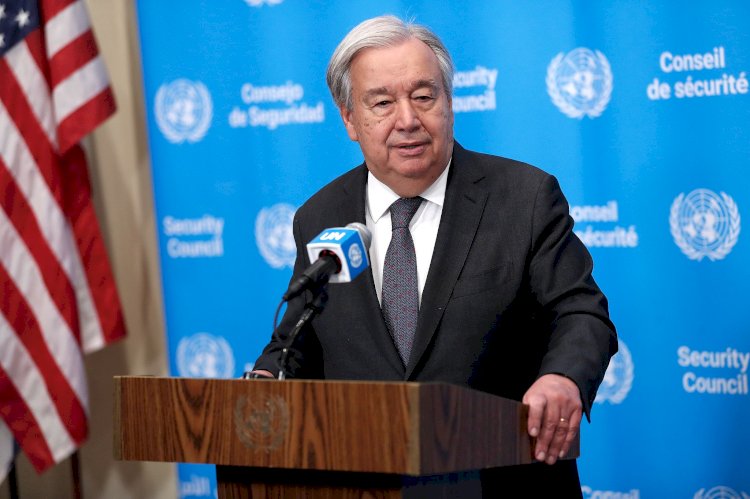
In a letter dated October 16, responding to President Erhürman’s letter of August 28, Mr Guterres said he had taken “careful note” of the concerns raised over obstacles to cultural, sporting, political and diplomatic activities involving Turkish Cypriots.
President Erhürman had highlighted attempts to obstruct music festivals, an FC Barcelona football camp and diplomatic meetings, warning that such actions damaged the atmosphere needed to build confidence between the two sides.
“These are disheartening developments, which are contrary to my repeated calls for initiatives that strengthen mutual trust and confidence,” Mr Guterres wrote.
The Secretary-General said he had stressed to all relevant actors that actions hindering trust-building, including the cancellation of events, ran counter to collective efforts.
Referring to his most recent meeting with President Erhürman in New York and his visit to Cyprus in July, Mr Guterres underlined the importance of sustained contact and cooperation.
“Continued engagement, cooperation and trust-building between the two sides remain essential for creating conditions conducive to initiating a process towards a sustainable solution,” he said.
Mr Guterres also called for confidence-building measures to be implemented as a priority, confirming that he had asked his Personal Envoy, María Ángela Holguín, to continue working with both sides on those initiatives.
“I remain committed to supporting these efforts in search of a solution,” he added.
The letter follows a European Commission response dated October 6 to a similar letter sent by President Erhürman on August 28.
The Commission stressed the importance of building trust and encouraging a positive atmosphere between Turkish Cypriots and Greek Cypriots. Referring to the EU Council’s 2004 decision on ending the isolation of Turkish Cypriots, it highlighted the objectives of building bridges, promoting dialogue and strengthening links between the two communities and with the EU.
It also said civil society and private initiatives supporting the socio-economic development of Turkish Cypriots, particularly young people, were consistent with developing closer relations with the European Union.
Ms Holguín has separately warned that restrictions on Turkish Cypriot representatives’ international contacts and other actions undermining confidence make progress towards a settlement more difficult.
Asked by journalist Yusuf Kanlı whether a favourable environment could emerge while such restrictions continued, she replied: “Definitely not, because they add complexity to an already complicated issue.”
“Negotiations do not come out of nowhere, nor do they emerge from a hostile environment,” she added, saying they required an understanding and acceptance of the other side and its existence.
Related News


Trees pruned after road safety complaints
Oct 17, 2026